

In the Florida Keys, boating is not a recreational afterthought. It is etched into the island’s cultural identity — and a defining element of living along the waterfront. For buyers considering a waterfront home in Key West or the Lower Keys, understanding how local waterways function is essential to protecting lifestyle, value and long-term enjoyment.
The Keys are unlike most boating communities in the United States. Tides behave differently, channels are shallow and highly specific, and fixed bridge clearances can determine whether a property truly works for your vessel.
According to longtime boaters and trusted local advisors, Michelle Howerton and Will Howerton of The Howerton Group at Brenda Donnelly Real Estate, boating considerations should shape a waterfront purchase decision just as much as architecture or location.
Start with intent: How do you plan to use the water?
Luxury waterfront ownership begins with clarity. Before evaluating neighborhoods or dockage, buyers should first define how they intend to boat. Will the primary use be offshore fishing, diving, cruising, entertaining, or sandbar access? Each use places different demands on water depth, canal access, and proximity to open water.
“Boating goals directly influence where a buyer should be looking,” said Michelle Howerton. “Certain locations simply support certain lifestyles better than others.”
This clarity helps avoid one of the most common mistakes luxury buyers make: purchasing a beautiful waterfront home that does not function well for their actual boating needs.
Understanding tides in the Keys is critical
Tidal behavior in the Keys is markedly different from many coastal regions, particularly for buyers relocating from northern markets. It is entirely possible to experience high tide on the Gulf side and low tide on the Atlantic side at the same time. Additionally, deeper water is not always farther from shore.
“In the Keys, navigable channels often run right along the land,” Howerton said. “In some areas, the shallowest water may actually be mid-channel, which surprises many buyers.”
For this reason, experienced boaters rely on real-time tools rather than assumptions.
Recommended tools for local boaters
The Howertons regularly use the following applications when boating locally:
- Tides App — Reliable, real-time tide data for navigating shallow waterways.
- Bridge Height App — Provides fixed bridge clearance information, which is essential when navigating canals and low-clearance routes.
Used together, these tools help boaters plan routes safely and confidently — especially when timing tides or navigating bridge-dependent neighborhoods.
Bridge clearance: A non-negotiable detail
This is one of the most overlooked — and most consequential — factors in waterfront real estate. Many canals require passing beneath fixed bridges, and clearance can change depending on tide levels. For boats with towers, antennas, or hardtops, this can significantly limit accessibility.
“In some neighborhoods, it may take 15 minutes just to reach open water,” Michelle Howerton said. “If a bridge is involved, clearance becomes a deciding factor, not a minor detail.”
Understanding bridge constraints early prevents costly misalignment between boat and property.
Boat storage strategy impacts property selection
Another critical decision is how the boat will be stored and accessed.
Buyers should consider:
- whether the boat is trailered or stored in-water;
- the need for a private lift versus dockage;
- ease of access to nearby boat ramps;
- traffic and congestion during peak seasons.
“Not all ramps are equal, and not all dockage works the same way,” Howerton said. “These details matter far more in daily use than most buyers initially expect.”
Local knowledge protects lifestyle and investment
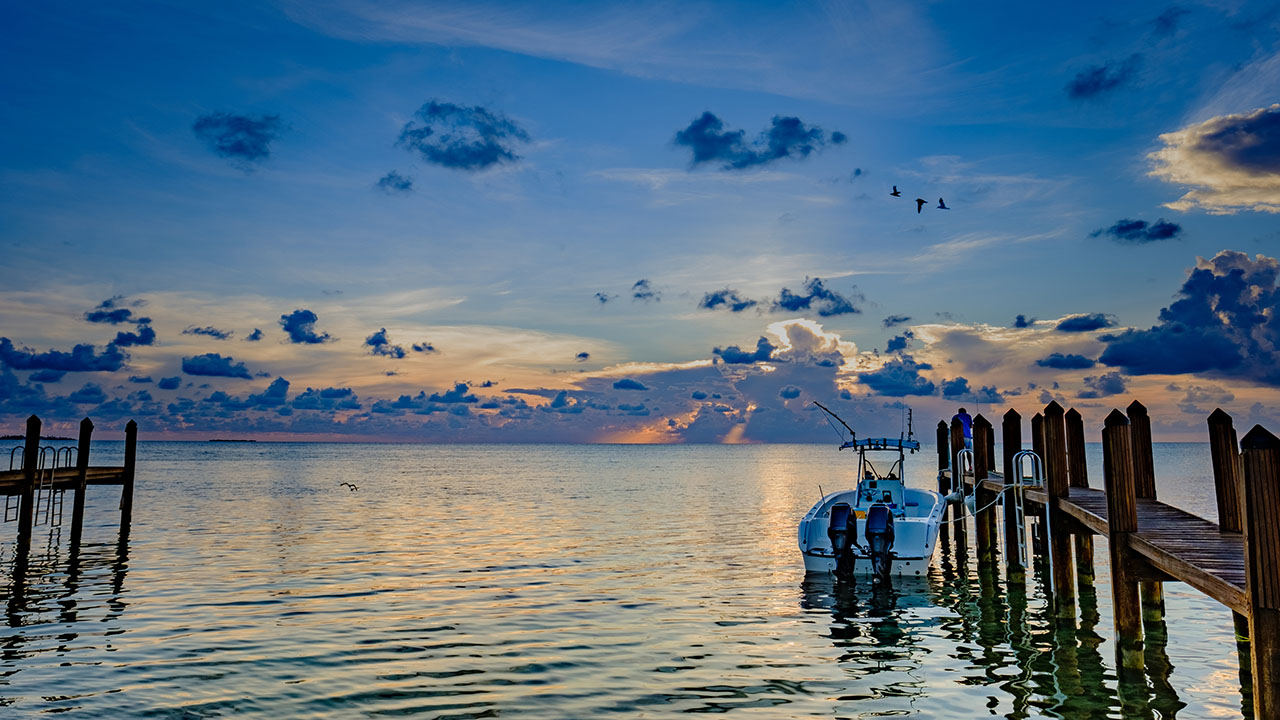
Howerton has been boating since childhood and emphasizes that the Keys require a very different understanding of water navigation.
“The waterways here don’t behave the way many buyers are used to,” she said. “That’s why local experience is so important — both for safety and for making the right real estate decision.”
For luxury buyers, that experience translates directly into confidence and long-term satisfaction.
A strategic approach to waterfront ownership
At Brenda Donnelly Real Estate, waterfront representation is rooted in advisory, not transactions. Buyers are guided through the realities of tide patterns, access routes, bridge limitations and long-term usability — not just shown properties with docks.
For discerning buyers, understanding how a home functions on the water is just as important as how it looks from shore.