
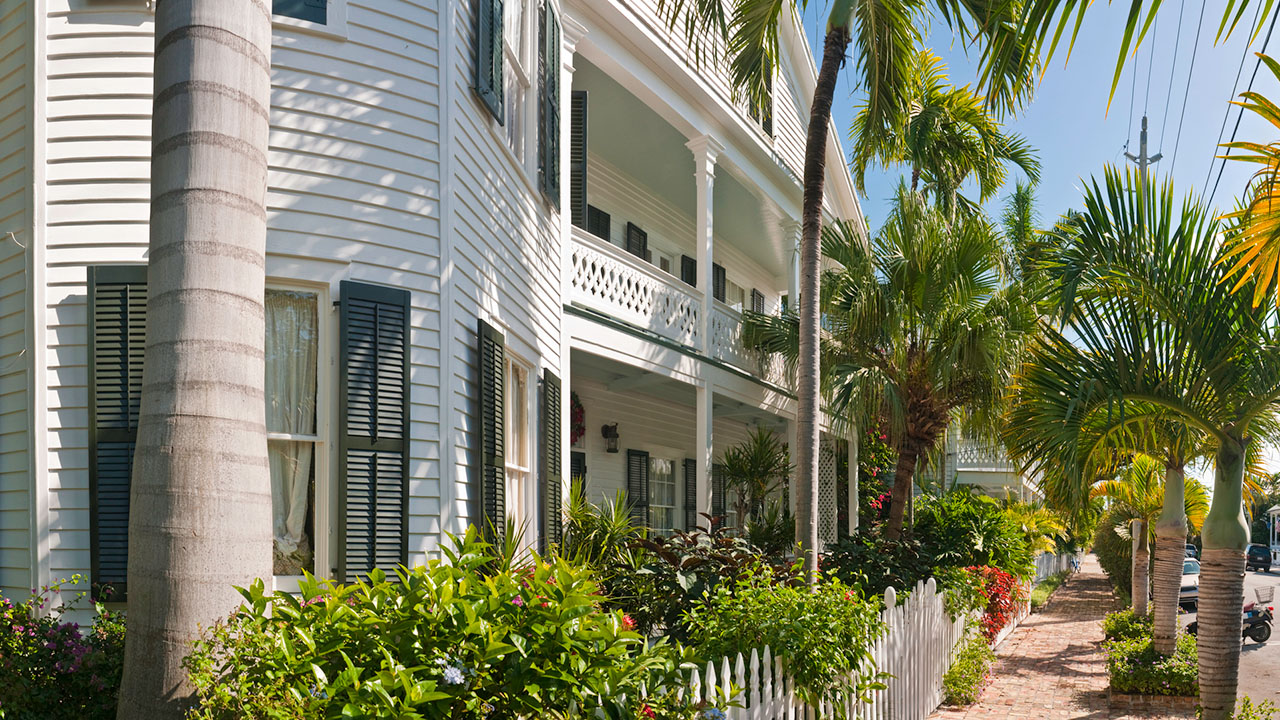
There is a moment, somewhere in the first months of owning a historic Key West home, when you stop thinking of it as yours alone. Perhaps it is the discovery of a shipwright’s mark beneath a coat of paint, or the realization that the Dade County pine underfoot was milled before your grandparents were born. The house, you understand, was here long before you, and if it is cared for, it will be here long after. You are not the owner so much as the current steward.
On this island, that stewardship has a name, and it is one every serious buyer should understand before they fall in love with a porch: HARC.
The Historic Architectural Review Commission was established by the City Charter to protect the character, integrity, and appearance of Key West’s historic districts. Its origins reach back to the 1960s, when a handful of residents watched the island’s irreplaceable wooden architecture disappearing one unconsidered renovation at a time and decided to stop it. We have them to thank for the fact that Old Town still looks like Old Town — that a walk down Eaton or Caroline remains a walk through the nineteenth century rather than a catalog of well-meaning mistakes.
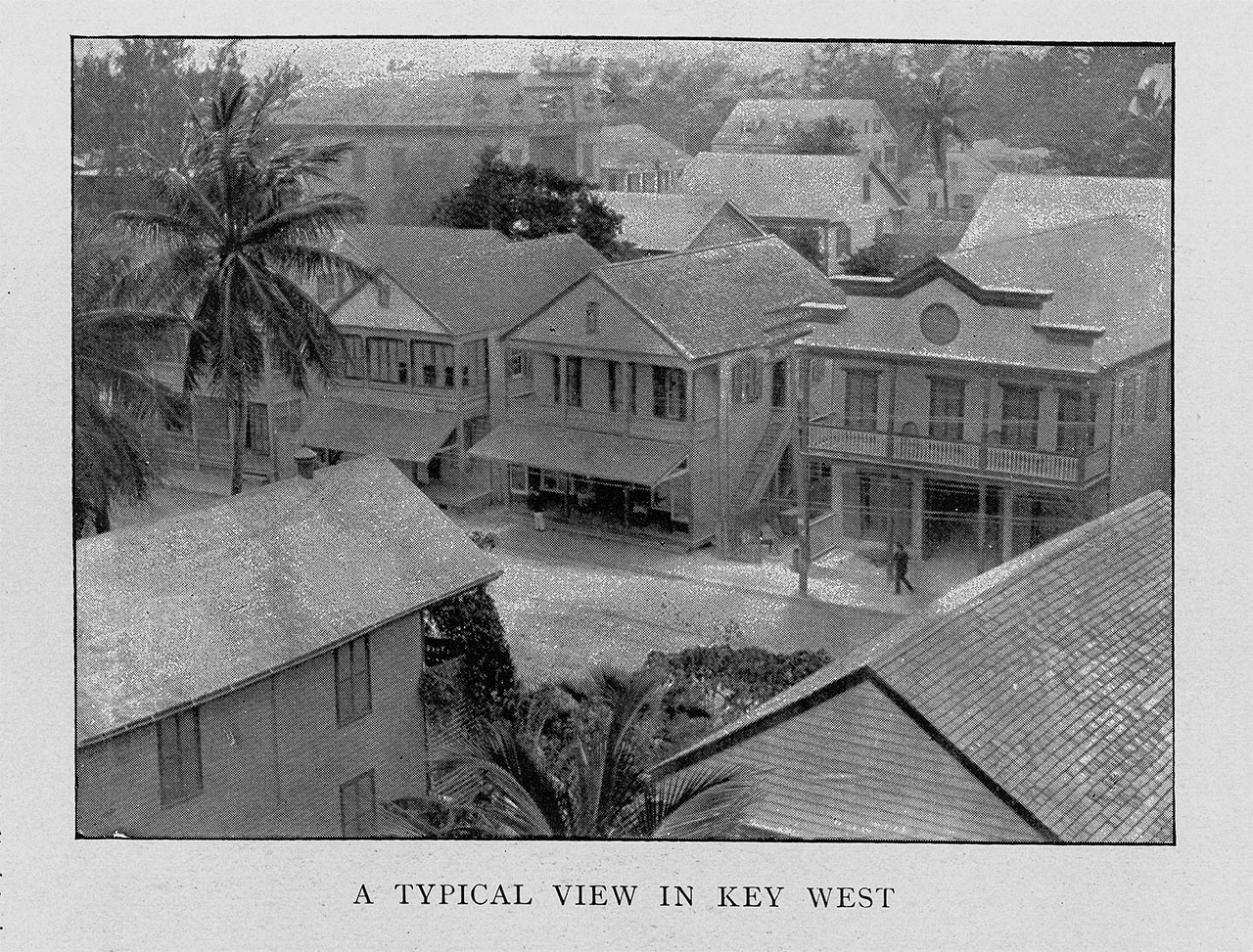
What the commission governs is, at heart, the exterior. New construction, additions, fences, decks, and signs all fall within its purview, as does the painting, repair, alteration, or demolition of the exterior of an existing building. The threshold most owners encounter first is simple: meaningful exterior work requires approval before it begins. That approval takes the form of a Certificate of Appropriateness — a document confirming that the proposed work suits the historic district and honors both the Secretary of the Interior’s Standards and the city’s own design guidelines. A respected Old Town builder once put it more bluntly than any ordinance could: “without HARC approval, there is no job.”
In practice, the process is often gentler than its reputation. Routine maintenance and modest projects can frequently be approved at the staff level, without a hearing. It is the consequential work — a substantial addition, a change to a building’s essential character — that comes before the commission, and that conversation begins best with a pre-application meeting rather than a surprise. One detail rewards attention: as of March 2025, the city separated the Certificate of Appropriateness from the standard building permit. The two are now distinct applications. It is precisely the sort of thing worth knowing before a renovation timeline is drawn, not after.
Here is what is too often left out of the conversation. HARC is described, by those who find it inconvenient, as a “constraint”. The truer word is “guardian.” The reason a historic home here commands the regard it does — the reason buyers cross the country to own one — is that the island’s architectural fabric has been protected rather than diluted. Every preserved transom and period-correct clapboard is a thread in a collective integrity that no single owner could weave alone. To buy within the historic district is to buy into that protection and to benefit from it. For a seller, a clean record of appropriate, approved work is a quiet but genuine asset. For a buyer, understanding the framework in advance turns potential frustration into a clear-eyed renovation plan.
This is the part of the work we love most: helping a client understand not only what a home is worth, but what it asks of the person fortunate enough to hold it. A historic Key West house is not inventory. It is a legacy held in trust and handed, carefully, from one steward to the next. Understanding HARC is simply part of holding that trust well — and of keeping the island, for the next hundred years, exactly as worth loving as it is today.